
Cast Nylon (PA 6 G) Rod
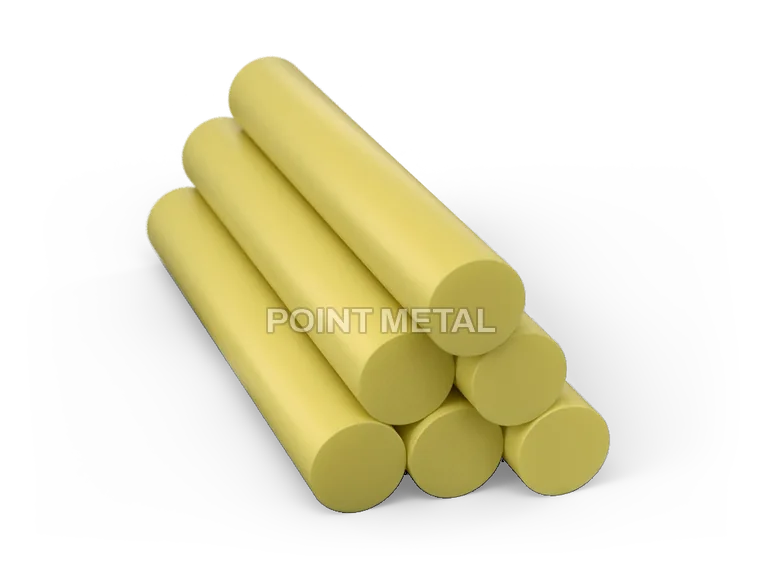
Cast polyamide 6 (PA 6 G), also called cast nylon, is known in the Turkish market by the trade name Kestamid. It is wear-resistant, tough and lightweight, and is used instead of metal for gears, rollers and bushes.
Material and sizes
Cast nylon
Cast polyamide 6 in natural (cream) colour. It has high wear resistance and toughness, damps shock and vibration and has good sliding properties. Because it is produced by casting, it has higher crystallinity and lower internal stress than extruded PA6 and can be made in large sizes. It absorbs moisture from the environment, which changes its dimensions slightly; this needs to be taken into account for close-tolerance parts.
Kestamid® is a registered trademark of Polikim Polimer ve Kimya Sanayii A.Ş.
- DIAMETER
- Ø30–500 mm
- LENGTH
- 1000 mm (2000 / 3000 mm on request)
- CONTINUOUS SERVICE TEMP.
- 100 °C
- ORDERING
- Cut to length, minimum order 5 kg
For large-quantity orders, other cut sizes are possible.
Technical data sheets and material certificates are available on request.
Cast nylon (PA 6 G) rod weight calculator
Calculate the weight from the size, or the length and number of pieces needed for a target weight. Your selections are added to the quote message automatically.
Size: Ø100 × 1000 mm, quantity: 1 (theoretical ~9.03 kg)
For other plastic sizes, weight-per-metre tables and densities, see the Plastic weight calculator →
Applications
- Gears and sprockets
- Rollers and pulleys
- Bushes and plain bearings
- Conveyor parts and wear strips
- Sheaves for cranes and lifting equipment
Frequently asked questions
Are Kestamid, polyamide and nylon the same thing?
Kestamid is a trade name widely used in the Turkish market for cast polyamide 6 (PA 6 G). Polyamide and nylon refer to the same family of materials.
Does cast nylon (Kestamid) absorb moisture?
Yes. Polyamide absorbs some moisture from the air, and its dimensions can change slightly. For close-tolerance parts that will operate in humid conditions, PET-P or acetal (POM-C) may be more suitable.
Why can the invoiced weight differ from the calculated weight?
The calculator gives the theoretical weight. The actual weight varies with dimensional tolerances and cutting allowance; we invoice on the actual weight as weighed.
What information should I send for a quote?
We only need the size (diameter × length), quantity and delivery location. If you fill in the calculator above, these details are added to the WhatsApp message automatically.
Related products
 SHEET / PLATEPTFE SheetView product →
 RODPTFE RodView product →
 TUBEPTFE TubeView product →
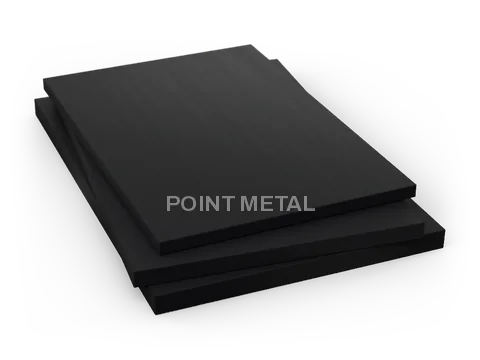 SHEETCarbon-filled PTFE SheetView product →
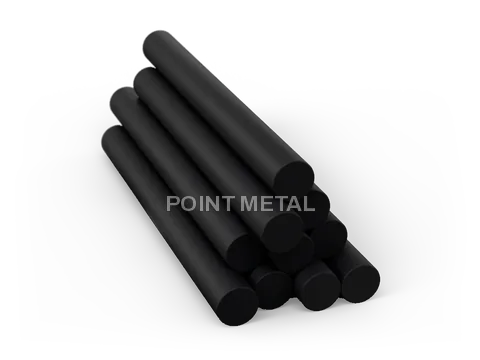 RODCarbon-filled PTFE RodView product →
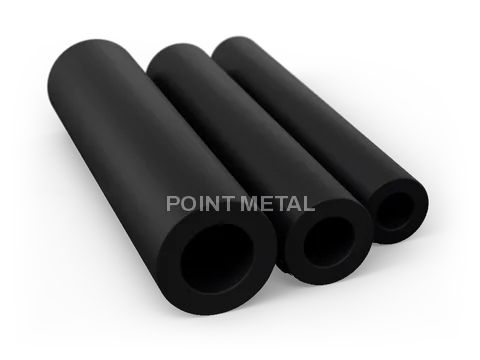 TUBECarbon-filled PTFE TubeView product →
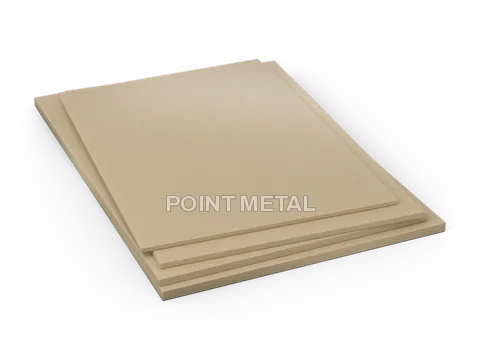 SHEET / PLATEPEEK SheetView product →
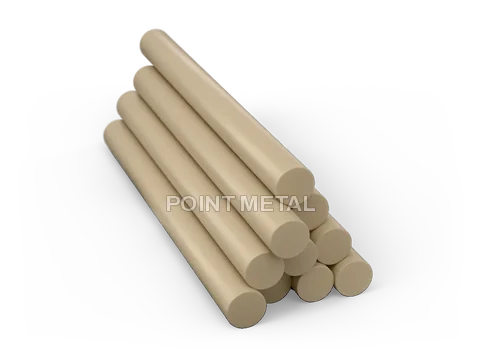 RODPEEK RodView product →
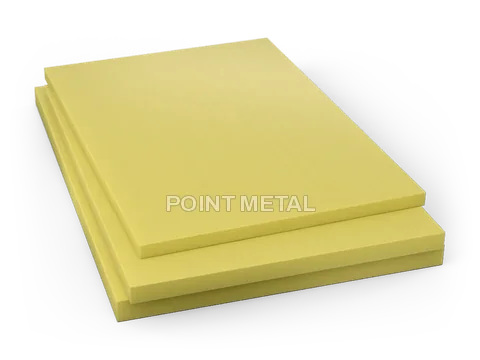 SHEET / PLATECast Nylon (PA 6 G) SheetView product →
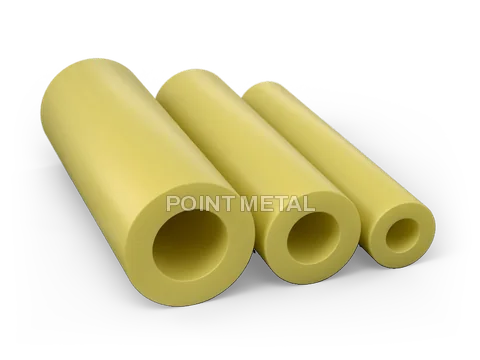 TUBECast Nylon (PA 6 G) TubeView product →
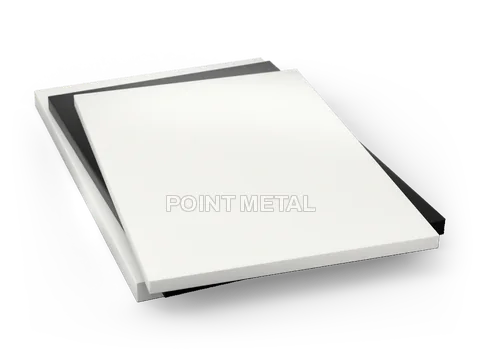 SHEET / PLATEAcetal (POM-C) SheetView product →
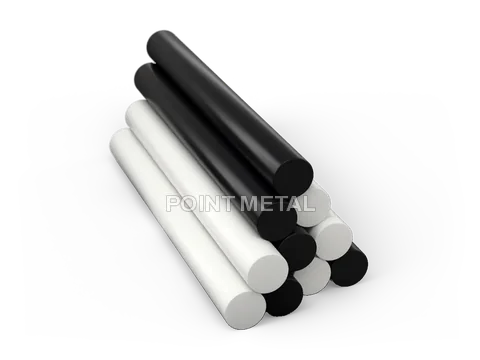 RODAcetal (POM-C) RodView product →
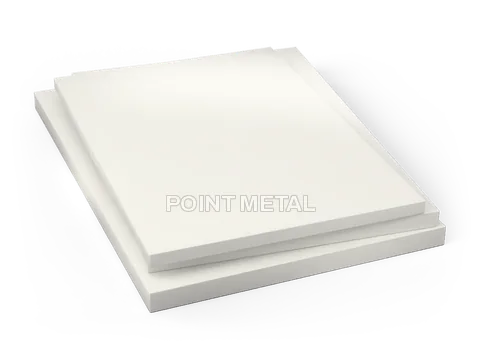 SHEET / PLATEPET-P SheetView product →
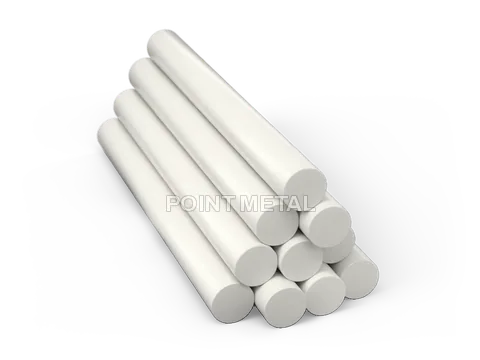 RODPET-P RodView product →
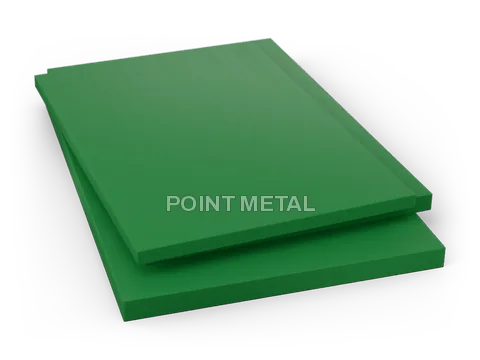 SHEET / PLATEPE-1000 (PE-UHMW) SheetView product →
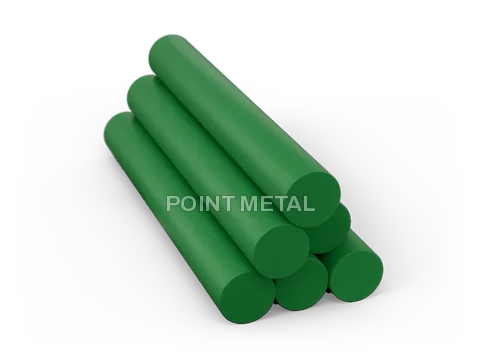 RODPE-1000 (PE-UHMW) RodView product →
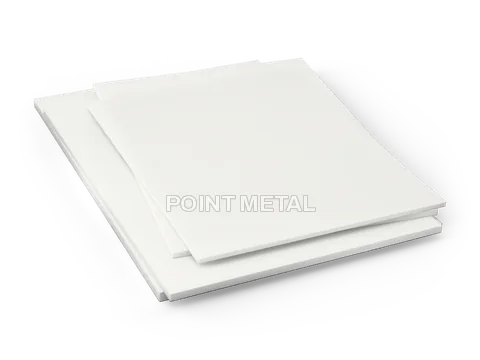 SHEET / PLATEPE-500 (PE-HD) SheetView product →
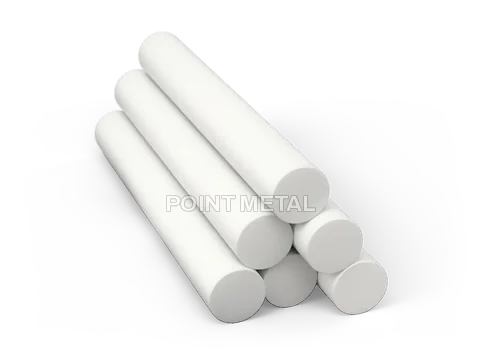 RODPE-500 (PE-HD) RodView product →
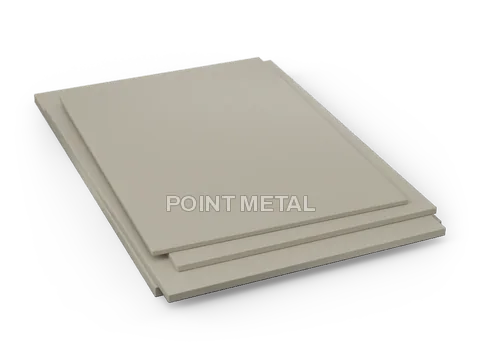 SHEET / PLATEPolypropylene (PP) SheetView product →
 RODPolypropylene (PP) RodView product →
 SHEET / PLATEFR4 / G10 Epoxy Glass Laminate SheetView product →
 RODFR4 / G10 Epoxy Glass RodView product →
 SHEET / PLATECotton Phenolic Laminate Sheet (HGW 2082)View product →
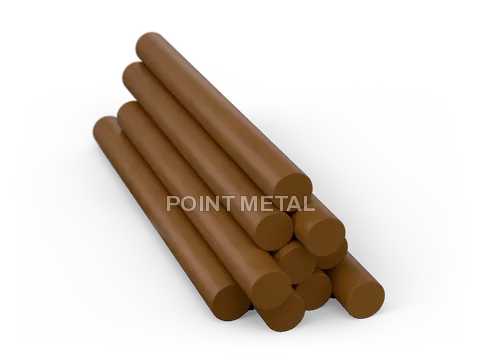 RODCotton Phenolic Laminate Rod (HGW 2082)View product →
 SHEET / PLATEAcrylic (PMMA) SheetView product →