
Aluminium Sheet and Plate
Aluminium sheet and plate, from thin sheet to heavy plate, in thicknesses of 0.50–50 mm and grades from 1050 to 7075. Thicker plate is quoted on a made-to-order basis.
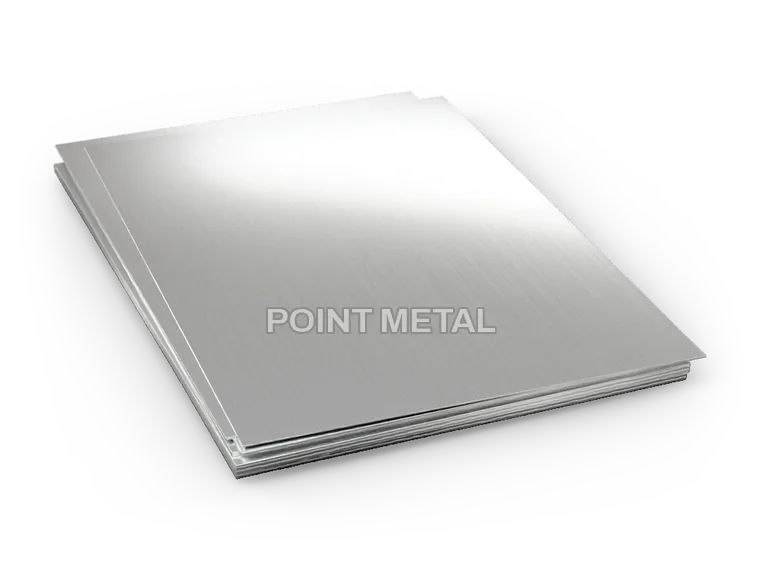
Grades and sizes
1050
Commercially pure aluminium with at least 99.5 % Al. Of the grades we stock, it offers the best formability, corrosion resistance and electrical and thermal conductivity; its strength is low, and it can be strengthened only by cold working, not by heat treatment. Used for deep-drawn and spun parts, insulation cladding sheet, containers for the chemical and food industries, reflectors and signs.
Sheet standard: EN 485-2 · tolerances EN 485-3 / EN 485-4
2024
A high-strength, heat-treatable aluminium alloy with copper (about 4 %) and magnesium. It has high fatigue strength and good machinability. Because its corrosion resistance is low, it is protected by cladding or anodising in outdoor service; it is not suitable for fusion welding, so joints are usually riveted or bolted. Used for aerospace structural parts, highly loaded machine parts, fixtures and fasteners.
Sheet standard: EN 485-2 · tolerances EN 485-3 / EN 485-4
5083
A non-heat-treatable aluminium alloy with about 4.5 % magnesium. It has very high corrosion resistance to seawater and industrial atmospheres, is one of the strongest non-heat-treatable alloys and retains most of its strength after welding. It keeps its toughness at low temperatures and is therefore used for cryogenic tanks; continuous service above 65 °C is not recommended. Preferred for ship and boat hulls, pressure vessels, tankers and silos, and mould base plates.
Sheet standard: EN 485-2 · tolerances EN 485-3 / EN 485-4
5754
A medium-strength, non-heat-treatable aluminium alloy with about 3 % magnesium. It offers good corrosion resistance and weldability; its strength is lower than that of 5083, but it is easier to bend and form. It withstands marine and outdoor atmospheres. Used for vehicle and tipper bodies, tanks and containers, ship superstructures, and façade and roof cladding.
Sheet standard: EN 485-2 · tolerances EN 485-3 / EN 485-4
6061
A general-purpose, heat-treatable structural alloy with magnesium, silicon and a small copper content. In the T6 temper it combines good strength, corrosion resistance and weldability, and it is easy to machine and anodise. Its properties are very close to those of 6082, and it is frequently specified on drawings prepared to American (ASTM) standards. Used for machine and fixture parts, profiles, fittings, and automotive and marine applications.
Sheet standard: EN 485-2 · tolerances EN 485-3 / EN 485-4
6082
A heat-treatable structural alloy with silicon, magnesium and manganese. It is one of the highest-strength alloys in the 6xxx series; the manganese addition controls the grain structure and raises strength. It is the most widely used machining and structural alloy for bar, flat bar and plate in Europe; in the T6/T651 temper it machines well, is weldable and is suitable for anodising. Used for machine parts, load-bearing structures, crane and bridge components, and moulds and fixtures.
Sheet standard: EN 485-2 · tolerances EN 485-3 / EN 485-4
7075
A heat-treatable aluminium alloy with zinc (about 5.5 %), magnesium and copper. In the T6/T651 temper it is one of the strongest aluminium alloys, with strength comparable to many structural steels. It machines well and can be polished; it is not suitable for fusion welding, and its corrosion resistance is moderate. Used for injection and blow moulds, aerospace parts, fixtures and highly loaded machine parts.
Sheet standard: EN 485-2 · tolerances EN 485-3 / EN 485-4
- STANDARD SHEET SIZES
- 1000 × 2000 mm · also 1250 × 2500 and 1500 × 3000 mm
- THICKNESS
- 0.50–50 mm · thicker plate quoted as made to order
- TEMPER
- 1050 H14/H24 · 5754 and 5083 H111/H22 · 6xxx T6/T651 · 7075 T651 · 2024 T351
- CUTTING
- Sheet up to 10 mm thick is not cut; it is sold in standard sheet sizes. Thicker plate can be cut to size.
- ORDERING
- Minimum 10 kg · size information on request
For large-quantity orders, other cut sizes are possible.
Chemical composition, mechanical properties and material certificates are available on request.
Aluminium sheet and plate weight calculator
Calculate the weight from the size, or the number of sheets needed for a target weight. Your selections are added to the quote message automatically.
Size: 5 × 1000 × 2000 mm, quantity: 1 (theoretical ~27.00 kg)
For other aluminium sizes, weight-per-metre tables and densities, see the Aluminium weight calculator →
Applications
- CNC-machined plates and mould base plates (5083, 6082, 7075)
- Shipbuilding and boatbuilding (5083, 5754)
- Signage, cladding and formed sheet (1050, 5754)
- Machine frames and chassis parts
- Aerospace and highly loaded parts (2024, 7075)
Frequently asked questions
Is there a difference between sheet and plate?
They are grouped under one product here: thinner gauges are generally called sheet and thicker ones plate. In European standards (EN 485) the dividing line is 6 mm: material up to 6 mm thick is sheet, thicker material is plate. You only need to specify the thickness when ordering.
Which grade should I choose?
For plate that will be machined, 6082 or 7075 (for high strength) is the usual choice; for seawater and welded applications, 5083; and for sheet that will be bent, 1050 or 5754. If you tell us what the part will be used for, we will work out the right grade with you.
What are the designations for 1050, 2024, 5083, 5754, 6061, 6082 and 7075?
1050: Al99,5, EN AW-1050, DIN 3.0255. 2024: AlCu4Mg1, EN AW-2024, DIN 3.1355. 5083: AlMg4,5Mn0,7, EN AW-5083, DIN 3.3547. 5754: AlMg3, EN AW-5754, DIN 3.3535. 6061: AlMg1SiCu, EN AW-6061, DIN 3.3211. 6082: AlSi1MgMn, EN AW-6082, DIN 3.2315. 7075: AlZn5,5MgCu, EN AW-7075, DIN 3.4365. Any of these designations can be used in your enquiry; we will match the correct material.
Why can the invoiced weight differ from the calculated weight?
The calculator gives the theoretical weight. The actual weight varies with dimensional tolerances and cutting allowance; we invoice on the actual weight as weighed.
What information should I send for a quote?
We only need the grade, size (thickness × width × length), quantity and delivery location. If you fill in the calculator above, these details are added to the WhatsApp message automatically.
Related products
 COILAluminium CoilView product →
 PLATE7020-T651 Plate for Defence ApplicationsView product →
 ROUND BARAluminium Round BarView product →
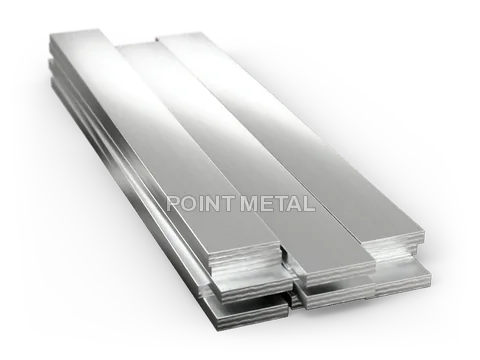 FLAT BARAluminium Flat BarView product →
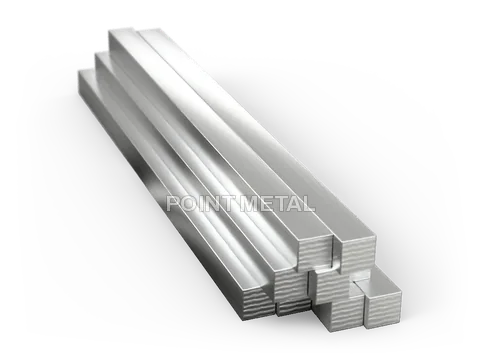 SQUARE BARAluminium Square BarView product →
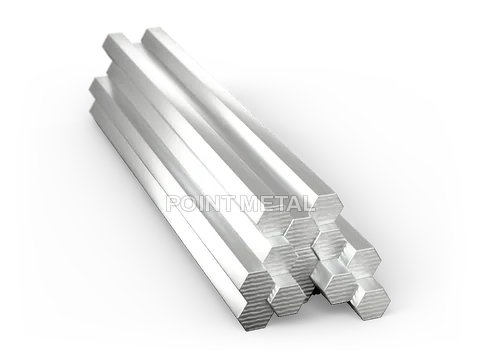 HEXAGON BARAluminium Hexagon BarView product →
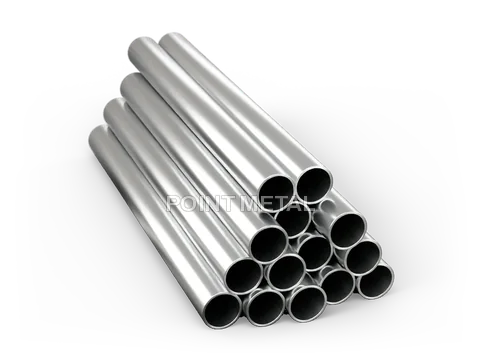 TUBEAluminium TubeView product →
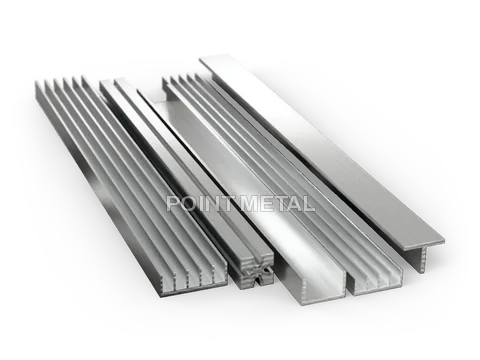 PROFILECustom Aluminium ProfilesView product →
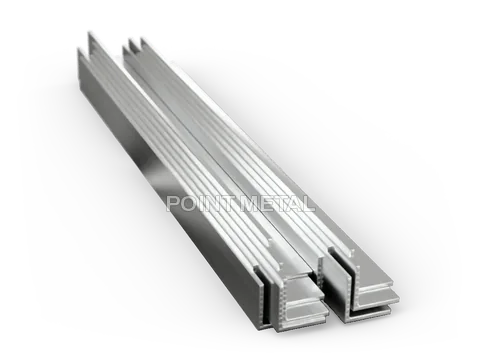 ANGLEAluminium AngleView product →
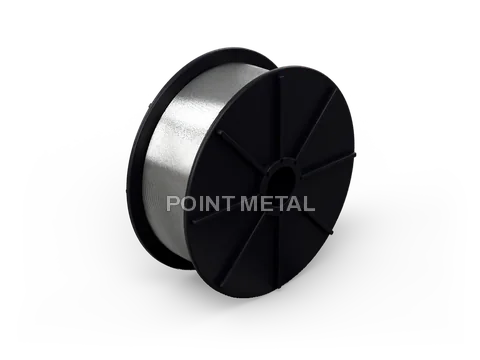 WELDING WIREAluminium Welding Wire (MIG & TIG)View product →